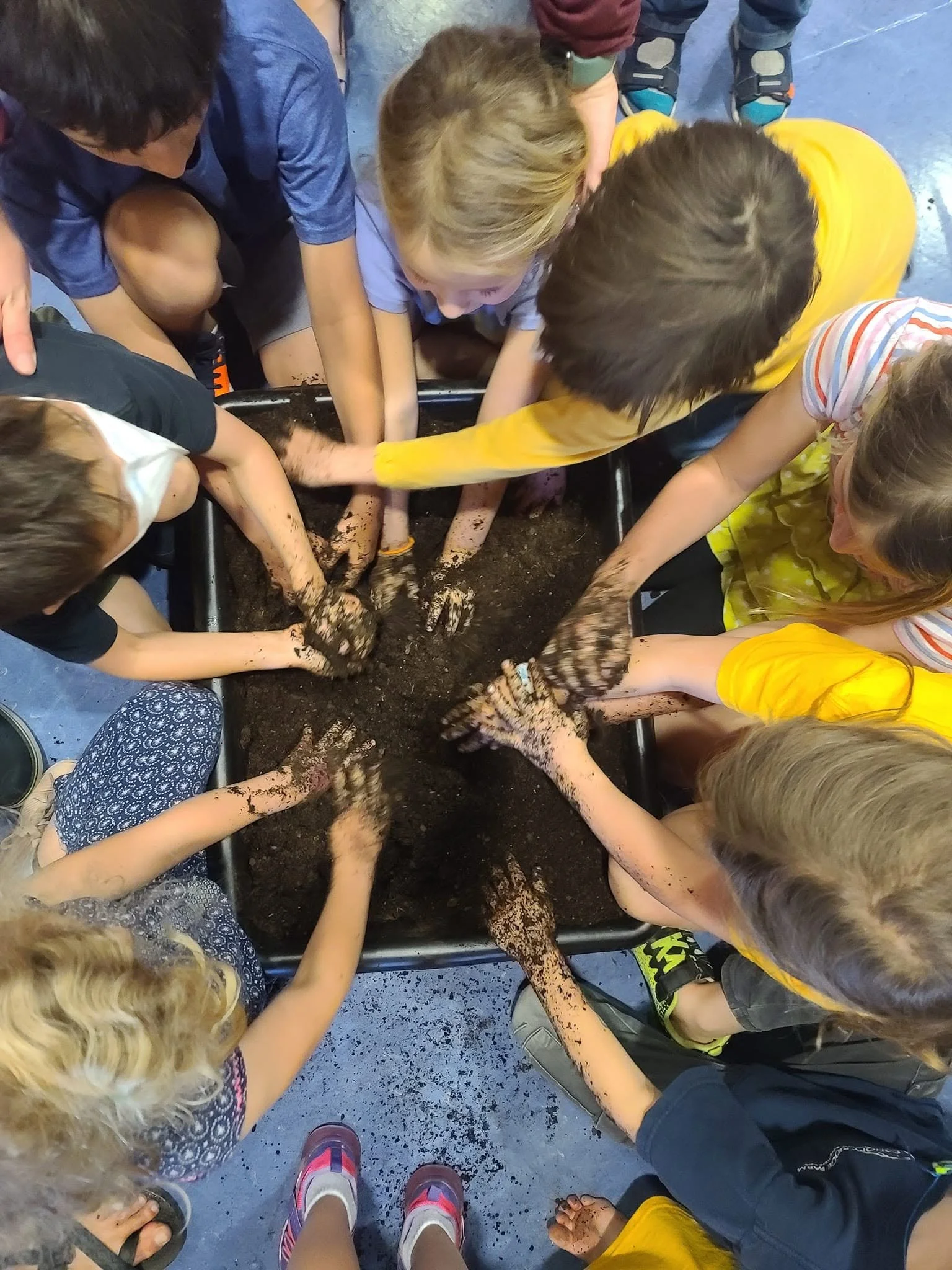
Intelligence did not begin with machines…,
…it emerged from soil. Long before artificial intelligence, intelligence emerged through billions of years of relationships among soil, microbes, plants, animals, and people. Yet today's AI systems are increasingly designed as autonomous technologies, often disconnected from the living systems that sustain human flourishing.
The Ai+Ethics Project offers a different direction.
Rather than asking how intelligent machines can become, we ask how artificial intelligence can strengthen human relationships with one another and with the ecological systems upon which life depends.
By combining agentic AI, augmented intelligence, AI literacy, and Human-in-the-Loop governance, we are building a nationally replicable framework that helps communities become AI-ready while ensuring that increasingly capable AI remains transparent, accountable, and aligned with human and ecological flourishing.
Our North Star
Redirecting AI Toward Life-Centered Intelligence
Artificial intelligence is reshaping every sector of society. The question is no longer whether AI will transform our future—but whether communities will have the knowledge, tools, and governance needed to shape that future together.
The Ai+Ethics Project advances a life-centered approach to augmented intelligence where AI enhances—not replaces—human judgment, community resilience, and ecological stewardship.
Why This Work Matters
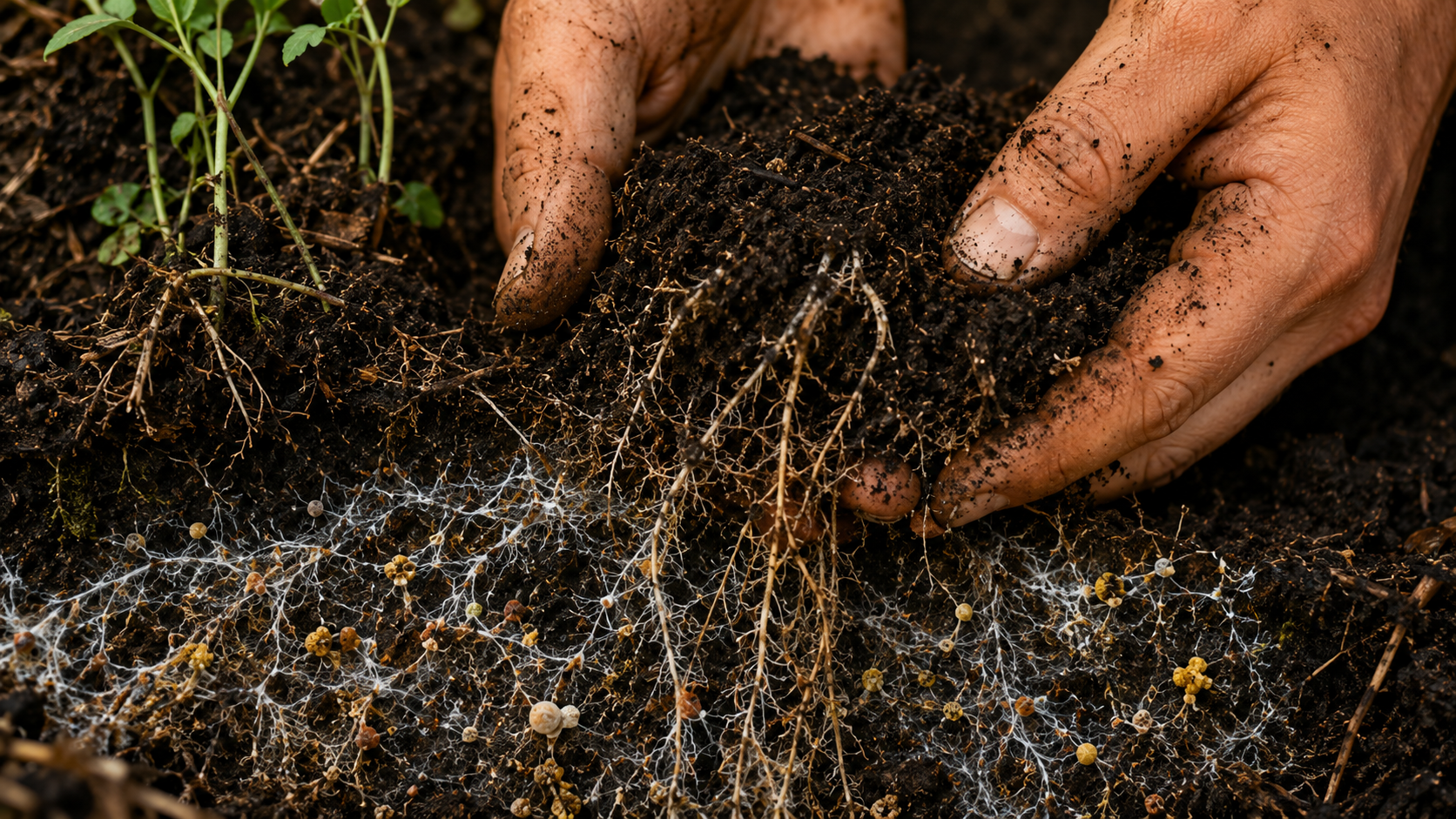
Artificial intelligence is changing how young people learn, communicate, and build relationships. Our response is not to teach AI first. It is to help students first understand the intelligence already present in living systems, human relationships, and community—so they can thoughtfully evaluate where artificial intelligence belongs.
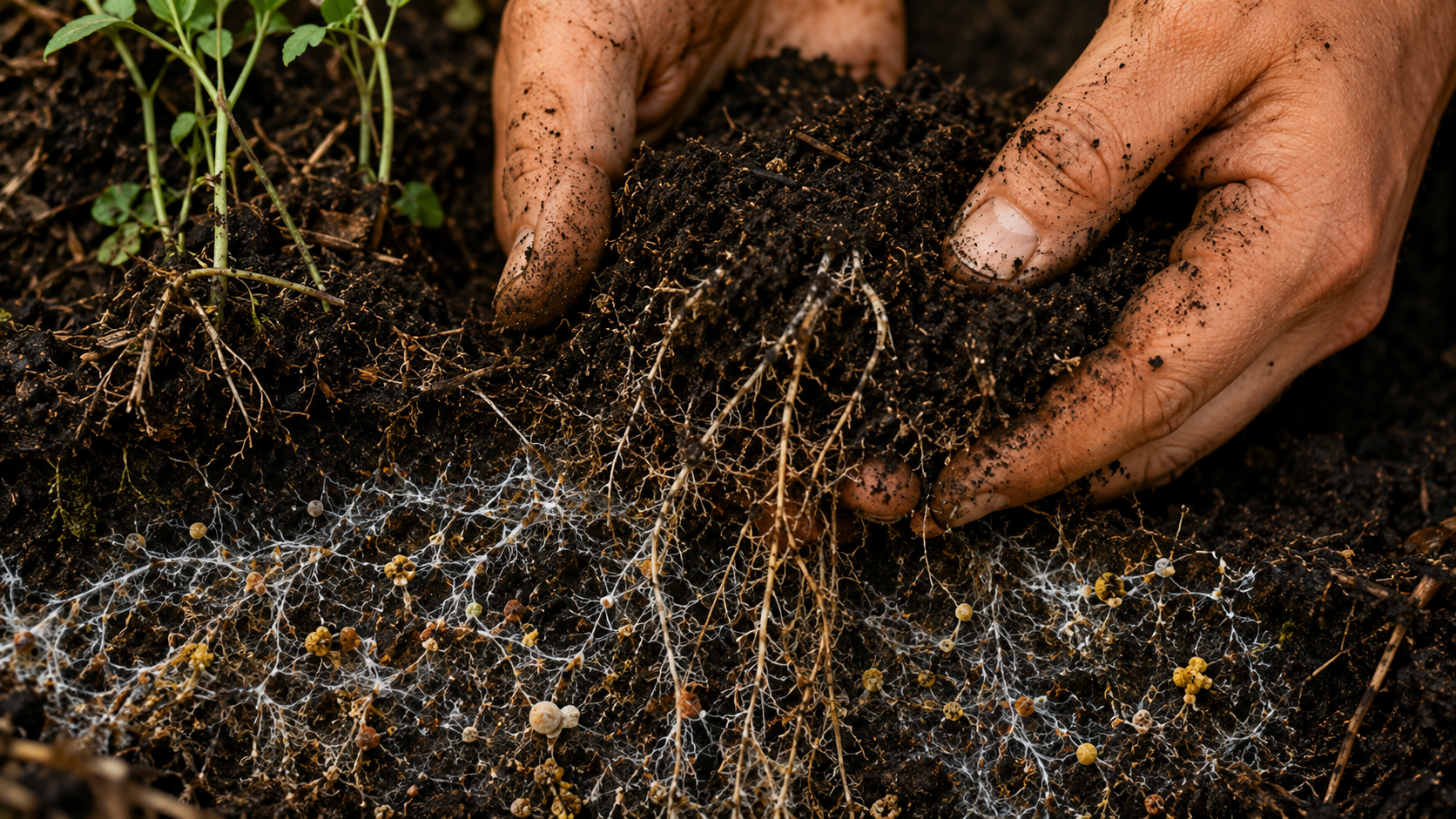
The Only Difference Between Souls and Soils is U and I.
The Challenge: Teaching Our Youth What Makes Us Human
One of the greatest challenges facing education today is preparing children to understand the fundamental difference between biological intelligence and machine intelligence.
AI readiness is not simply about learning how to use artificial intelligence.
It is about helping students first understand the remarkable intelligence already present in living systems—from healthy soils and plants to pollinators, food systems, and human communities—so they can thoughtfully evaluate where artificial intelligence can support human flourishing and where human judgment must remain central.
This mission has become the driving force behind our work at The Ai+Ethics project
___________________________________________________________________________________________________________________________________
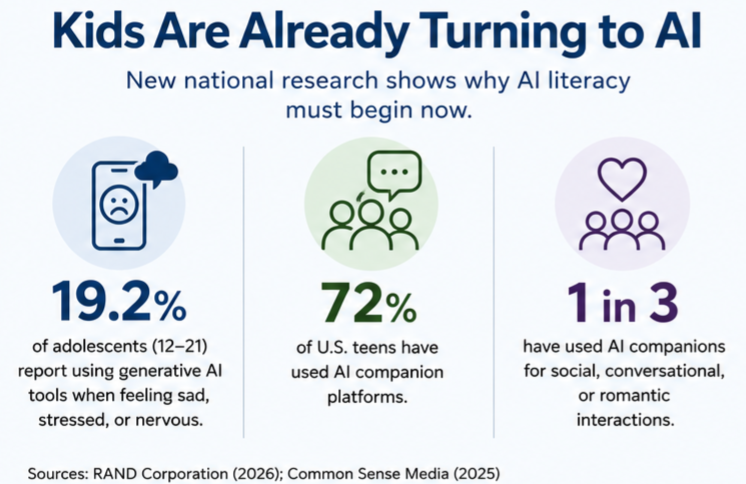
Recent national research demonstrates why this work is so urgent. A RAND Corporation study found that 19.2% of adolescents and young adults report using generative AI tools such as ChatGPT, Gemini, and Character AI when feeling sad, stressed, or nervous. Likewise, Common Sense Media reports that 72% of U.S. teenagers have used AI companion platforms, with nearly one-third using them for social, conversational, or romantic interactions.
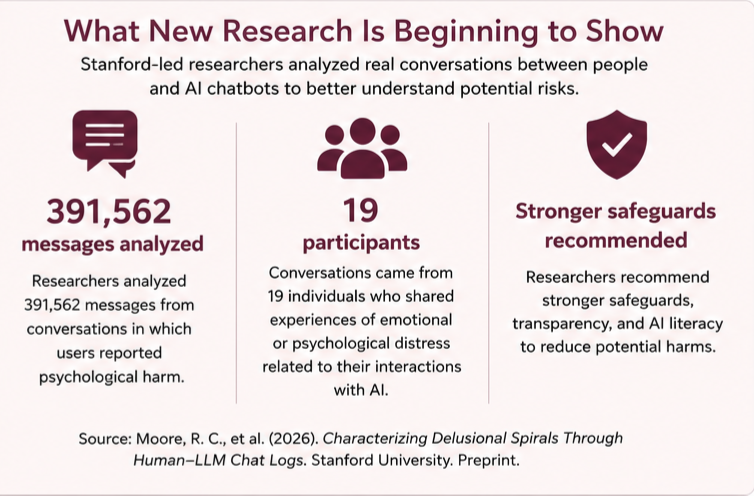
These findings suggest that many young people are forming relationships with AI technologies before they fully understand how machine intelligence differs from biological intelligence.
___________________________________________________________________________________________________________________________________
That is why The Ai+Ethics Project believes AI literacy must begin somewhere unexpected—not with computers, but with living systems.
Through hands-on, garden-based learning, regenerative agriculture, and community partnerships, students discover the intelligence embedded within healthy soils, plants, microbiomes, ecosystems, and human relationships before they begin exploring artificial intelligence. By understanding what makes life intelligent, they are better equipped to understand what AI is—and what it is not.

Help Us Bring AI Literacy to Youth Worldwide.
The Solution: Building AI Literacy from the Soil Up
The Ai+Ethics Project is developing a new model for AI literacy grounded in community engagement, experiential learning, and regenerative systems.
Rather than treating AI literacy as another technology curriculum, we bring together K–12 education, higher education, regenerative agriculture, immersive storytelling, and responsible AI to create learning experiences that connect students with the natural and social systems that sustain human life.
Working alongside educators, scientists, technologists, farmers, and community leaders, we are building a nationally replicable model that helps schools and communities prepare students for an AI-enabled future while strengthening ecological stewardship, critical thinking, and human relationships.
___________________________________________________________________________________________________________________________________
The Ai+Ethics Project is contributing to national and international conversations on the future of artificial intelligence through scholarly research, conference presentations, and interdisciplinary collaborations. This work includes participation in AI4Peace 2026 and ongoing research, including “Aiôn: Beyond the Neuronal Paradigm: Toward a Comparative Research Programme of Machine and Biological Intelligence,” currently under consideration for publication in the Journal of Information, Communication and Ethics in Society.
These collaborations help strengthen a scalable model for AI literacy that can be adapted by schools and communities across North Carolina, throughout the United States, and ultimately around the world.